


Certification in hot works
Certification in hot works is a scheme aimed at preventing fire. It applies to people who perform work in which an open flame, high heat or tools that create sparks are used. Such works involve an increased risk of fire, and therefore requirements are imposed on knowledge and safe implementation. The scheme is managed by Norwegian Fire Protection Association on behalf of the insurance industry, and is tied to the terms of many insurance agreements. The certificate is personal and valid for five years, and is often a requirement for insurance to apply in the event of a fire.
What is considered hot works
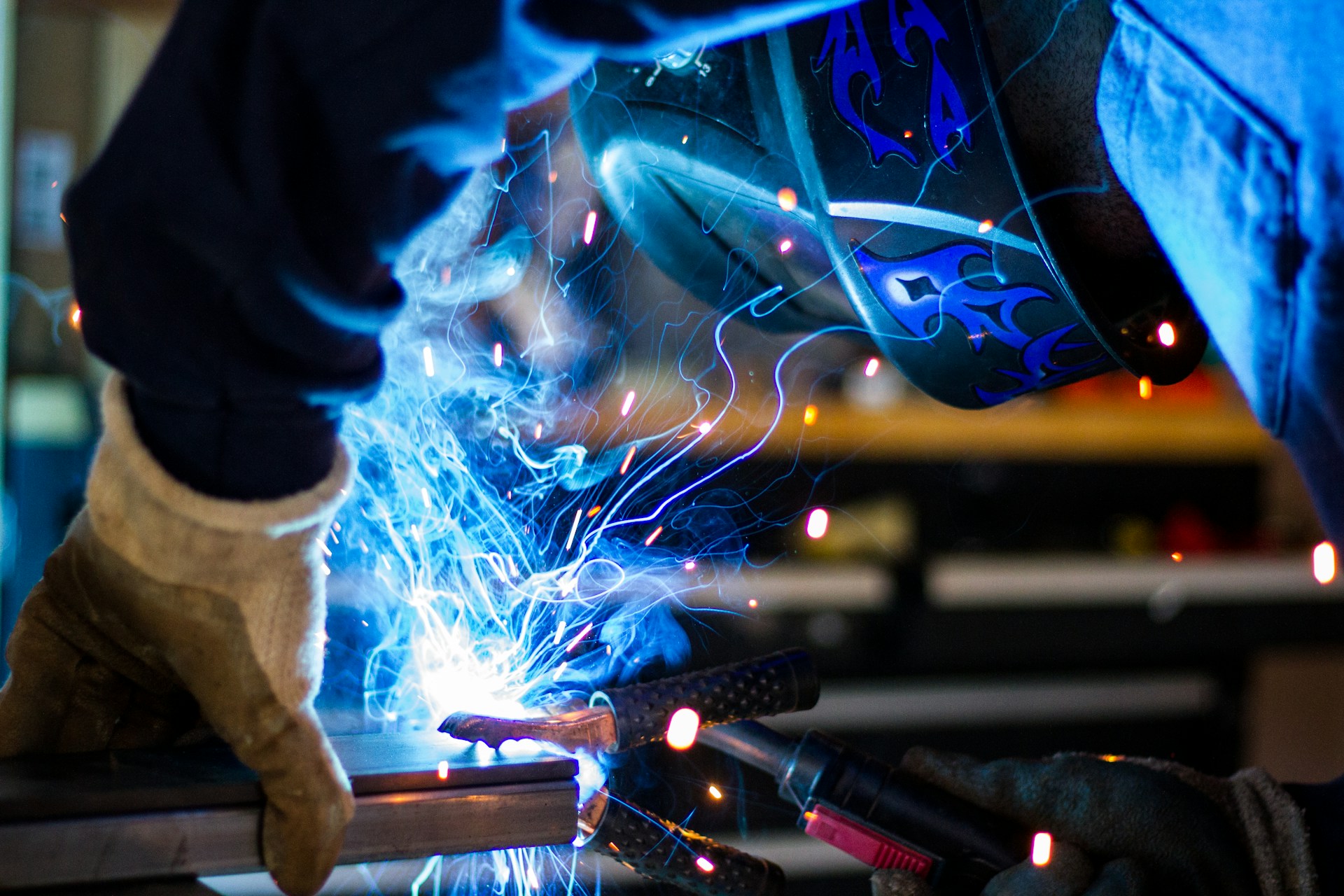
Hot works are tasks in which heat, flame or sparks can ignite combustible material. This can be, for example, welding, cutting, grinding or working on roofs with an open flame. Also, the use of tools such as angle grinder or hot air gun can be considered hot works if the work is carried out in places not firmly provided for this. Common to these tasks is that they can lead to a fire if the work is not planned and secured well enough.
Why certification is important
The purpose of the certification is to reduce the risk of fire and damage. Through the training, participants learn to understand fire hazards, assess risks before starting work and use proper preventive measures. The certificate documents that the person performing the work knows the regulations and knows how hot works can be carried out safely. In many cases, this is also a requirement of insurers, especially when working on construction sites or temporary work sites.

Who needs certification
Anyone who carries out hot works in places without fixed, fireproof solutions needs a certificate. This applies to many different occupational groups within construction, construction, industry and maintenance. The requirement applies to both employees, the self-employed and apprentices. The certificate is personal, which means that each individual who will carry out the work must be certified, regardless of position or industry.
See our topic page on hot works.
Tools and situations in practice
Many common working tools can create sparks or high heat. When such tools are used near wood, insulation or other combustible material, even small sparks can lead to a fire. Therefore, both knowledge and vigilance are required. Anyone who has a certificate in hot works should know how the workplace is secured, what extinguishing agents should be available and how to follow up after the work has ended.
How the certification is carried out
To obtain a certificate, one must complete both theoretical training and a practical extinguishing exercise. The theory part provides knowledge about fire prevention, responsibility, regulations and safe working practices, and concludes with a test. In addition, participants must demonstrate that they can handle fire inflows in practice through an extinguishing exercise. Only when both parts have been passed and documented can the certificate be issued and approved by the Norwegian Fire Protection Association.
Compend and Granlund collaborate on certification
Compend has teamed up with Granlund Competence developed a digital theory course in hot works which covers the requirements of the certification scheme. The course is adapted as e-learning and makes it easy to carry out the training regardless of time and place. The content provides participants with a clear and practical understanding of fire risks and preventive measures, and concludes with a theoretical test. The collaboration ensures a structured and pedagogical training that provides a solid foundation for certification in hot works.
Extinguishing exercise in VR
Extinguishing exercise in VR is a modern and sustainable alternative to traditional practice with fire. The solution provides realistic training without the use of fuel, extinguishing agents or disposable materials, and is carried out completely without emissions or waste. The same equipment can be reused, providing both environmental gain and efficient use of resources. Therefore, Compend has chosen to offer extinguishing practice in VR only through approved partners, as the preferred option in certifying hot works.
Latest Articles
MORE ARTICLES
What is a safety representative and what are the responsibilities?
All businesses with at least five employees must have a safety representative. But what exactly does a protection officer do, and what are the responsibilities in practice?

How to create a skills plan for employees
Competency development in the enterprise does not have to be complicated. With a good skills plan, you always know who knows what and what is missing.

78 million new jobs by 2030
But the skills pledge is urgent.